ASTRAL RIFT
Your shields are your weapons.
Fight in the ruins of a collapsed civilization, where dimensional fractures bend the laws of physics and every trigger pull costs you the shields that keep you alive. Eight ships. Twenty abilities. AI opponents that learned to fight by playing billions of rounds.
Nobody knows what caused the Collapse.
Centuries ago, five civilizations built empires around vast dimensional fractures called Rifts. They fought wars in them. They built economies around them. Then, within a single generation, all five disappeared. Infrastructure intact. Ships drifting with no crew. Power systems dark. As if everyone simply left.
The Rifts remained. The automated supply caches remained, still manufacturing equipment on schedules set centuries ago. Now, independent pilots scavenge the ruins, contest territory, and fight in arenas where physics works differently — where a single energy field powers both your shields and your weapons, and every trigger pull is a calculated risk.
An archivist named Sola Denn cross-referenced pilot superstitions across four factions and found that 23% matched sealed pre-Collapse protocols. Her paper was suppressed.
Before the Collapse, they called them "sub-spatial transit corridors." The name changed. The corridors didn't.
Eight archetypes. Eight ways to fight.
Modern ships aren't designed — they're maintained. Built from recovered schematics of civilizations that no longer exist, following engineering patterns that work for reasons nobody fully understands. Four of the five pre-Collapse factions left recoverable blueprints.
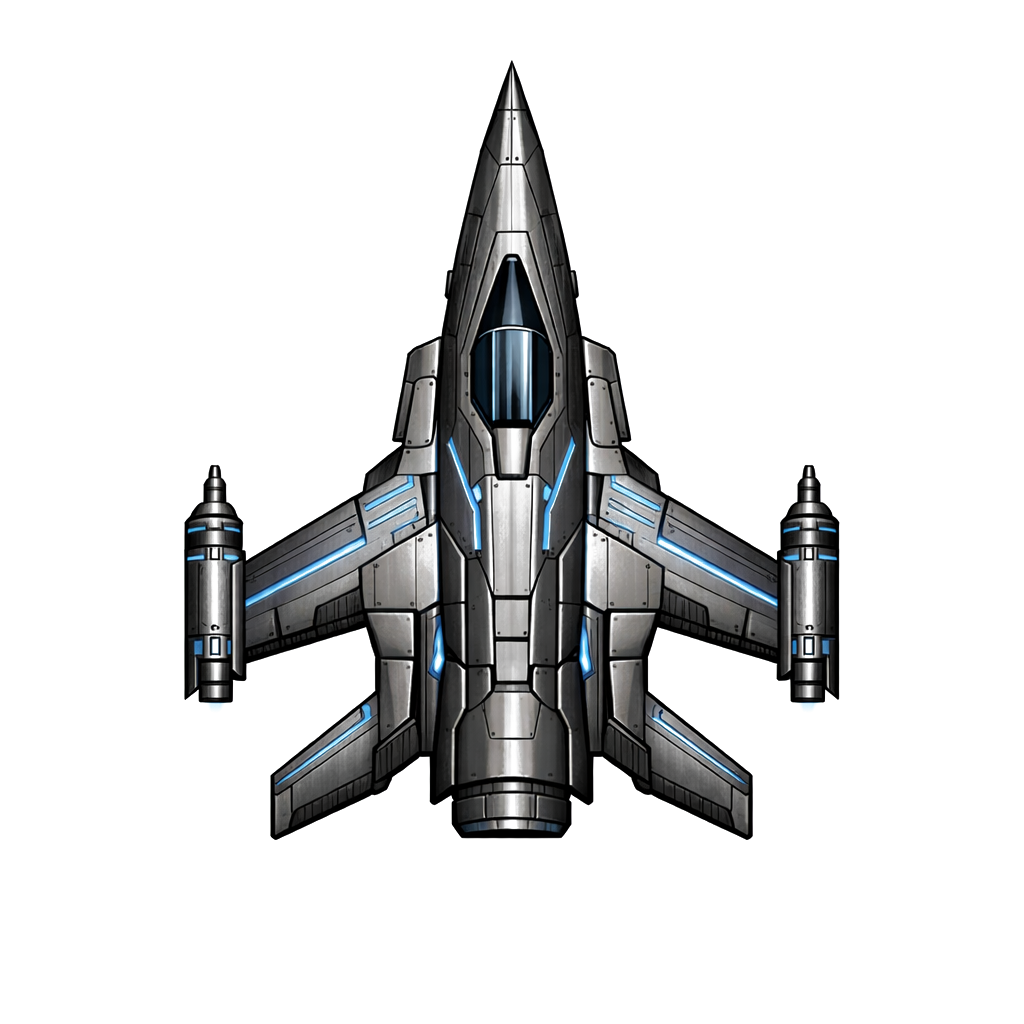
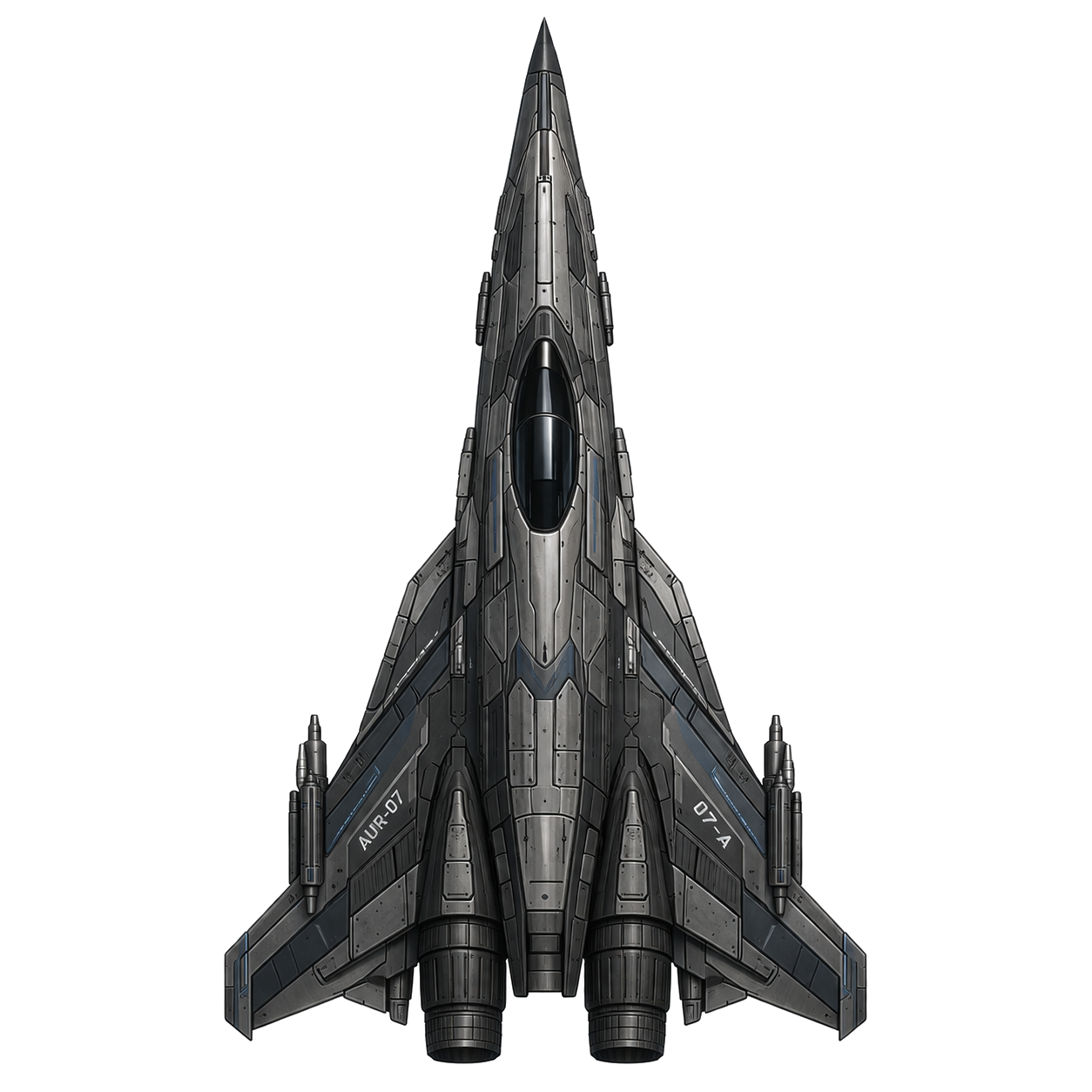
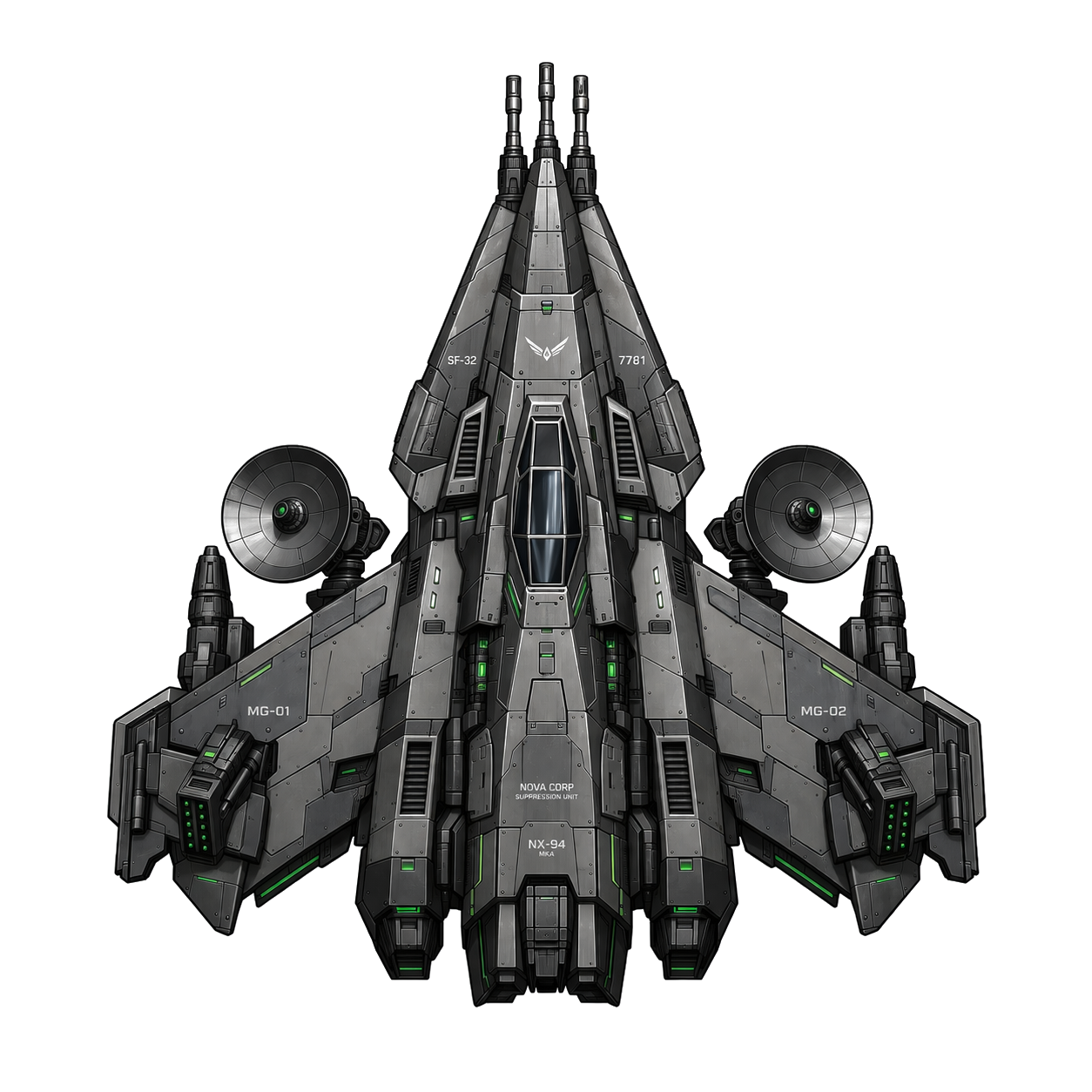
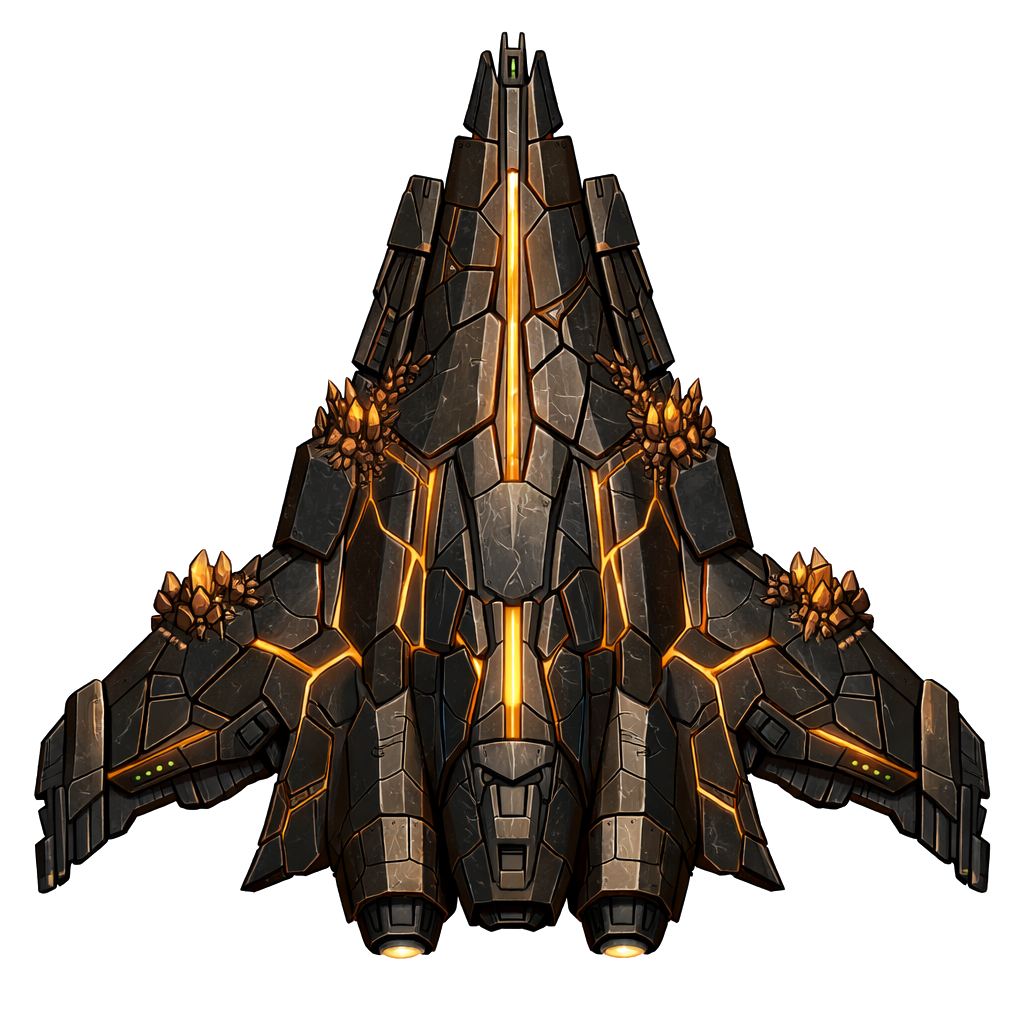
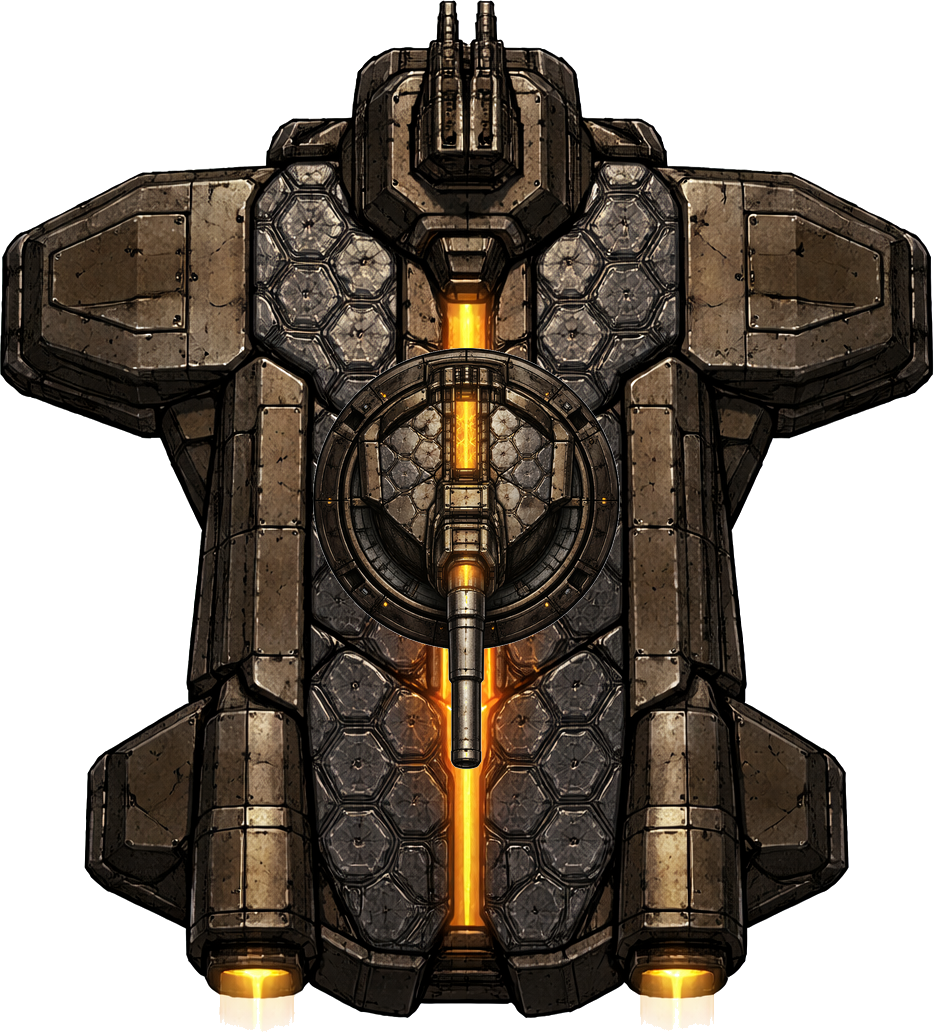

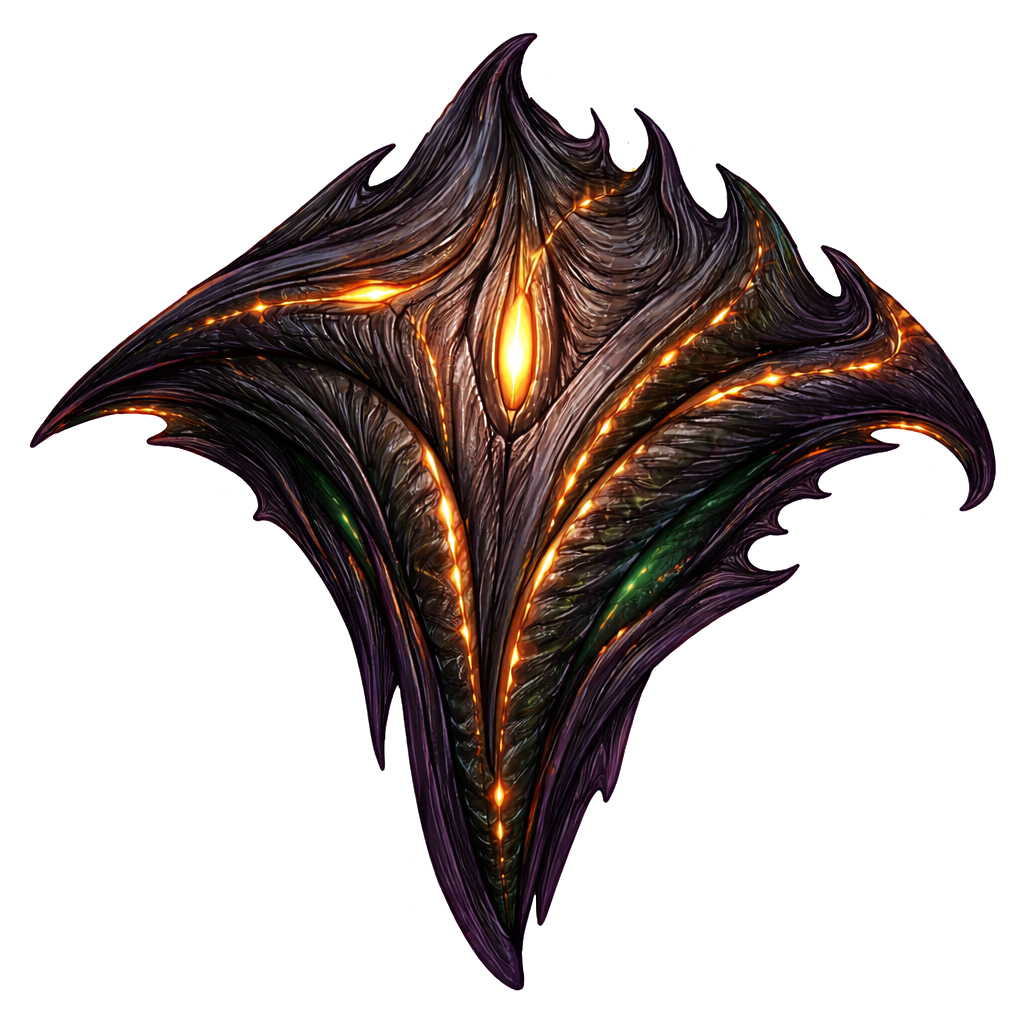
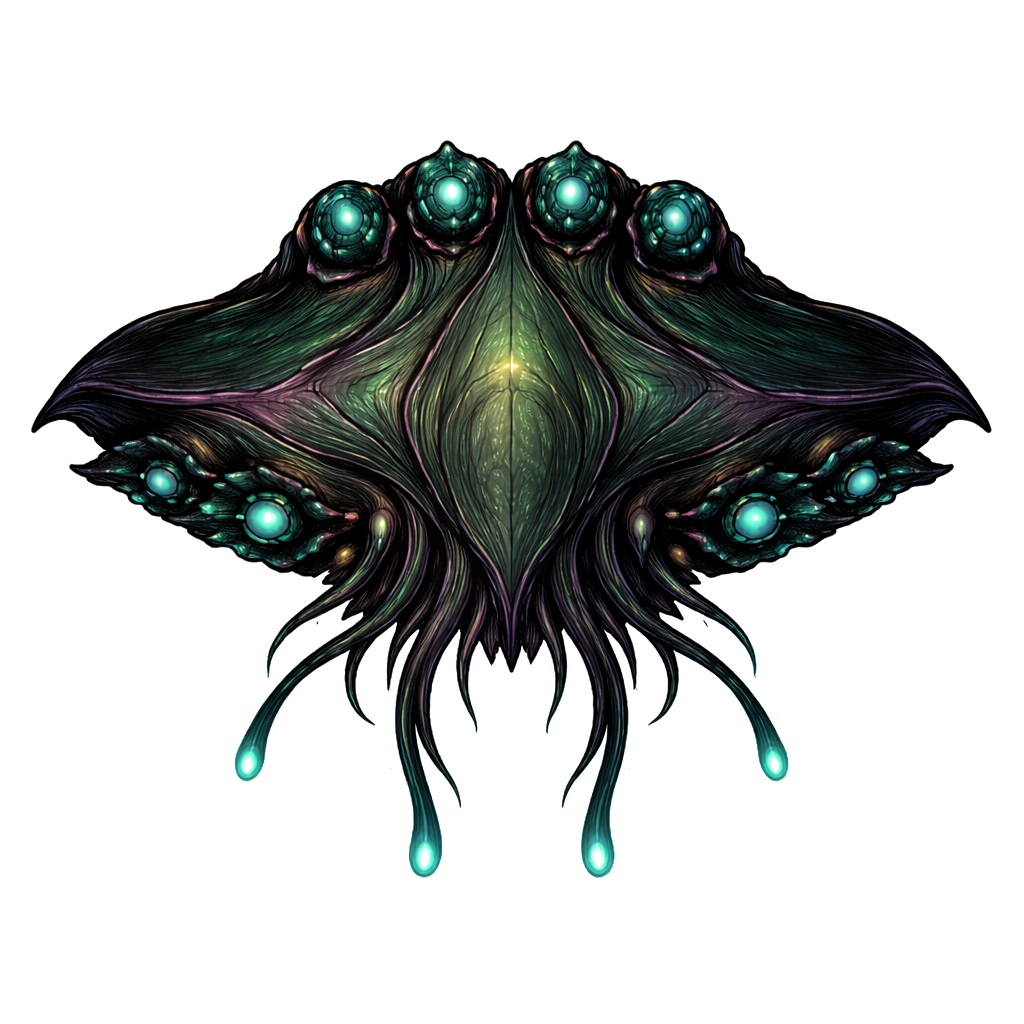
Four factions left recoverable schematics. The fifth left anchor points in deep corridors, mounting tension oriented inward, holding nothing. Whatever they held ceased to exist outside Rift space within seconds.
The Rift Paradox
Near a Rift, one energy field powers everything. Shields, weapons, propulsion. The resource that keeps you alive is the same resource you spend to kill someone. Every engagement is a bet on which of you runs out first.
Twenty abilities — bullets, bombs, mines, MIRV missiles, repulsor blasts, energy fields, warp teleports, deployable turrets — all drawing from that same pool.
The pre-Collapse term was "resonance binding." 4,200 pages of documentation survive. The theoretical framework they cite has never been found.
Five ways to prove yourself.
The Compact trains its simulations on data from pilots who trained against the last generation of simulations. Nobody remembers who taught the first one.
Opponents that learned to fight.
The Meridian Threat Assessment Division runs the most advanced combat prediction system in the sector. Neural models trained on tens of billions of simulated engagements generate tactical forecasts, discovering strategies no human pilot has attempted — mine traps, ability combos, aggressive pursuit patterns, energy management techniques.
Each generation is evaluated on how it fights — aggression, accuracy, ability usage, energy efficiency. Models that win by playing passively are discarded. The result is AI that doesn't play like a bot.
Three MTAD analysts have filed formal objections to the program. All three were classified. The simulations continue.
In the deep zones, there is a region that veteran navigators call the Bloom. Sensor data shows an expanding field of machine wreckage — millions of units, still manufacturing, still fighting each other, still growing. Whatever civilization built autonomous weapons and deployed them in Rift space, the weapons are still there. They have been at war with themselves for longer than anyone has been alive.
Built in C++ on Unreal Engine 5.
The Rifts are doors. They were left open.